The Importance of Proper Surface Preparation in Painting
When it comes to achieving a flawless finish in any painting project, whether residential or commercial, the significance of proper surface preparation cannot be overstated. At GP Master Painter LLC, we understand that the foundation of a successful paint job lies in how well the surface is prepared. This blog post will explore the importance of surface preparation, the common techniques involved, and how our services can enhance the longevity and aesthetics of your painted surfaces.
Why Surface Preparation Matters
Surface preparation is the process of cleaning, smoothing, and priming a surface before applying paint. Proper preparation ensures that the paint adheres well and has a uniform appearance. Here are some key reasons why it matters:
- Enhances Paint Adhesion: Properly prepared surfaces allow paint to bond effectively, reducing the likelihood of peeling or chipping.
- Improves Aesthetic Quality: Smooth surfaces lead to a more uniform and professional-looking finish.
- Increases Longevity: Adequate preparation can extend the life of your paint job, saving you time and money on future touch-ups.
- Prevents Mold and Mildew: Cleaning surfaces properly removes dirt and contaminants that can lead to mold growth beneath the paint.
- Saves Time and Resources: A well-prepared surface minimizes the need for multiple coats of paint, making the process more efficient.
Common Surface Preparation Techniques
Different surfaces require different preparation methods. Here are some common techniques used by professionals like those at GP Master Painter LLC to ensure optimal results:
- Cleaning: Removing dirt, grease, and old paint is essential for a successful application. This can involve washing surfaces with soap and water, using a wire brush, or employing a pressure washer.
- Sanding: Smoothing rough surfaces or removing old paint is crucial. Sanding helps create a smooth surface for the new paint to adhere to.
- Repairing: Any cracks, holes, or imperfections should be filled and repaired before painting. This may involve using spackle for small holes or caulk for gaps.
- Priming: Applying a primer can seal porous surfaces and improve paint adhesion. Primers also help in covering any previous colors or stains.
Surface Preparation for Different Services
At GP Master Painter LLC, we provide a variety of painting services, and each requires specific surface preparation techniques tailored to the job. Here's how our approach varies:
Exterior Painting
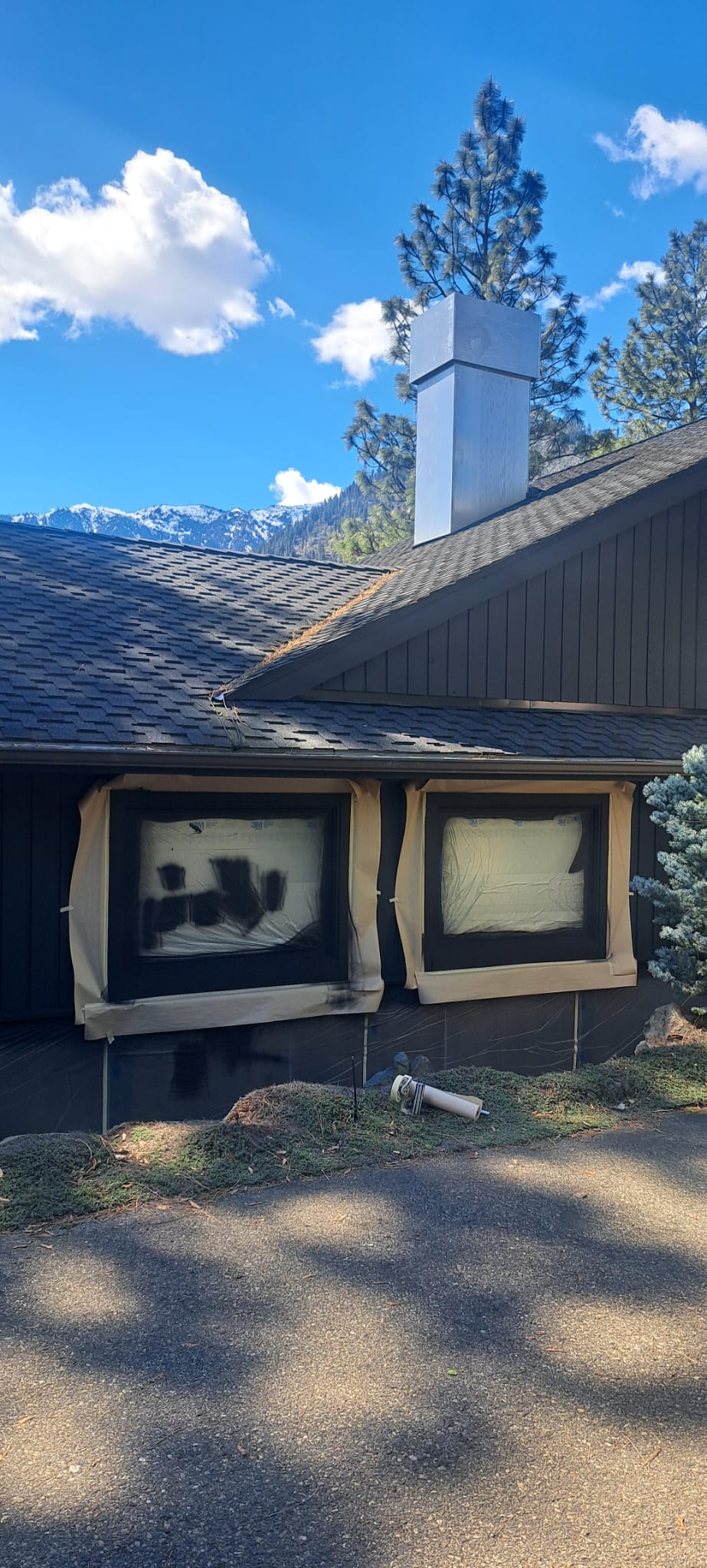
For exterior surfaces, such as walls and fences, we start with pressure washing to remove dirt and mildew. We then sand any rough areas and apply a suitable primer to enhance adhesion and prevent peeling.
Interior Painting
For interior surfaces, we focus on cleaning and patching any imperfections. We may use a stain-blocking primer to ensure a uniform finish, especially in areas exposed to moisture, such as kitchens and bathrooms.
Cabinet and Furniture Painting
Painting cabinets requires meticulous preparation. We carefully sand surfaces to promote adhesion, apply a primer, and finish with high-quality paint designed for durability.
Conclusion
In conclusion, proper surface preparation is an essential step in any painting project that can significantly influence the final outcome. At GP Master Painter LLC, we pride ourselves on our thorough preparation processes, ensuring that your painting project is completed to the highest standards. Whether you’re looking to refresh your home's interior or enhance your commercial space, our team is ready to assist. Contact us today to discuss your painting needs and discover how we can help you achieve lasting results.